Your trip to Italy, designed properly
Italy is generous to the point of being overwhelming. Twenty regions, more art than any one lifetime can absorb, and a train timetable that seems simple until you try to read it. Most people arrive with a list, a vague feeling (a vibe, let’s be honest) and not nearly enough days.
That’s where I come in. I turn the idea of the trip you want into a real, workable, beautifully paced itinerary, built around who you are and what you love. Sometimes it even includes the things you didn’t think to ask for.
What planning solves for you
An itinerary that works for you
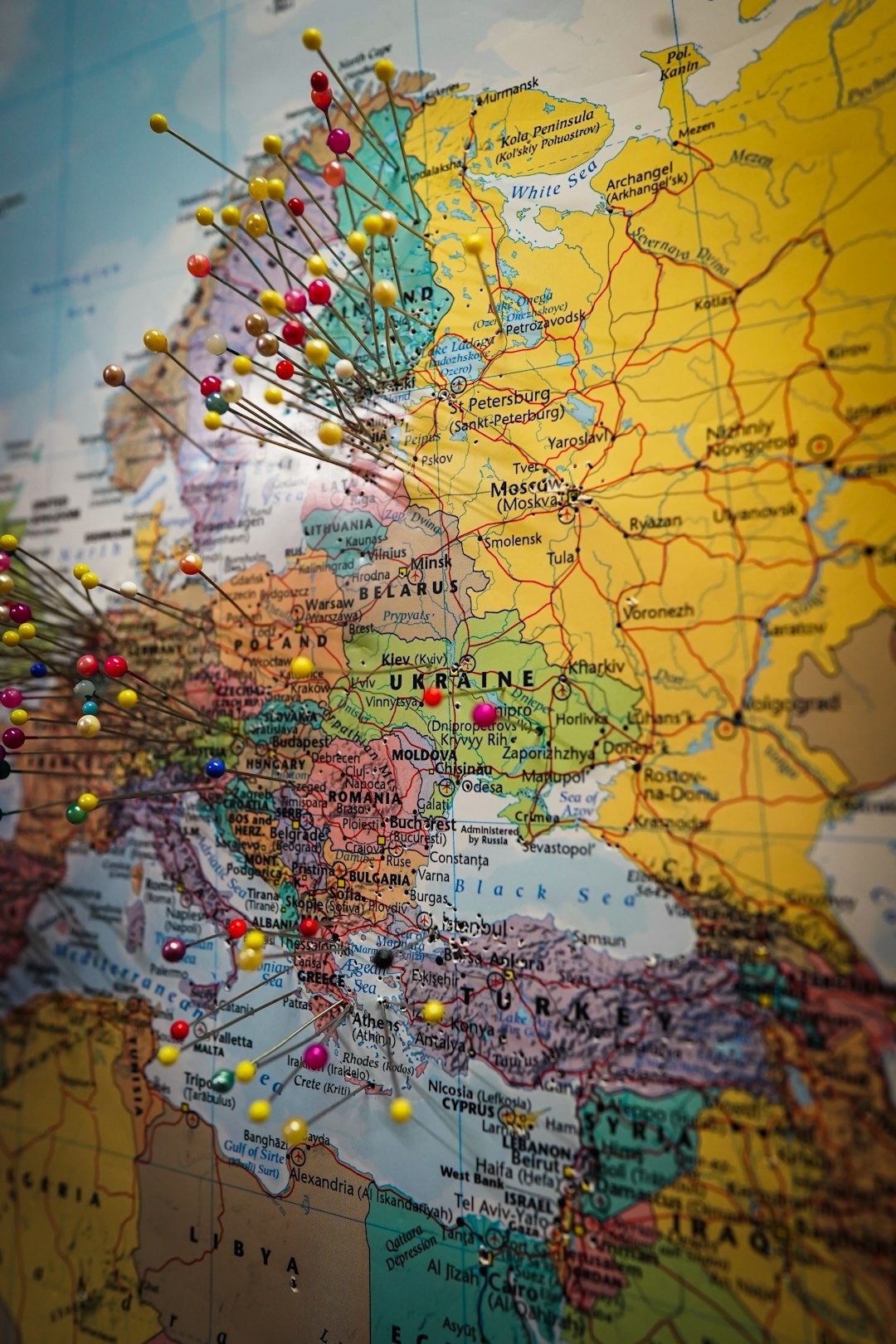
- How many days, and where? Two nights in Florence or four? Is Venice a day trip or a crime? (A crime.) I’ll tell you how long each place deserves, given your pace and interests.
- The right order. Routes that make geographical sense, so you’re not crossing the country twice to save a few euros.
- How to get from A to B. Train, car, ferry or a combination. Where you need a car, where a car is a liability, and which connections are easier than they look.
Insider Knowledge
- What you really mustn’t miss. Not the top ten from a listicle. The things that will matter to you, and the right time of day to see them.
- What to skip, without guilt. Some famous sights are worth the queue. Some aren’t. I’ll say so, and suggest what to do instead.
- What to book ahead. Museums with timed entry, restaurants worth planning around, seasonal openings, and the things that sell out.
Stress free
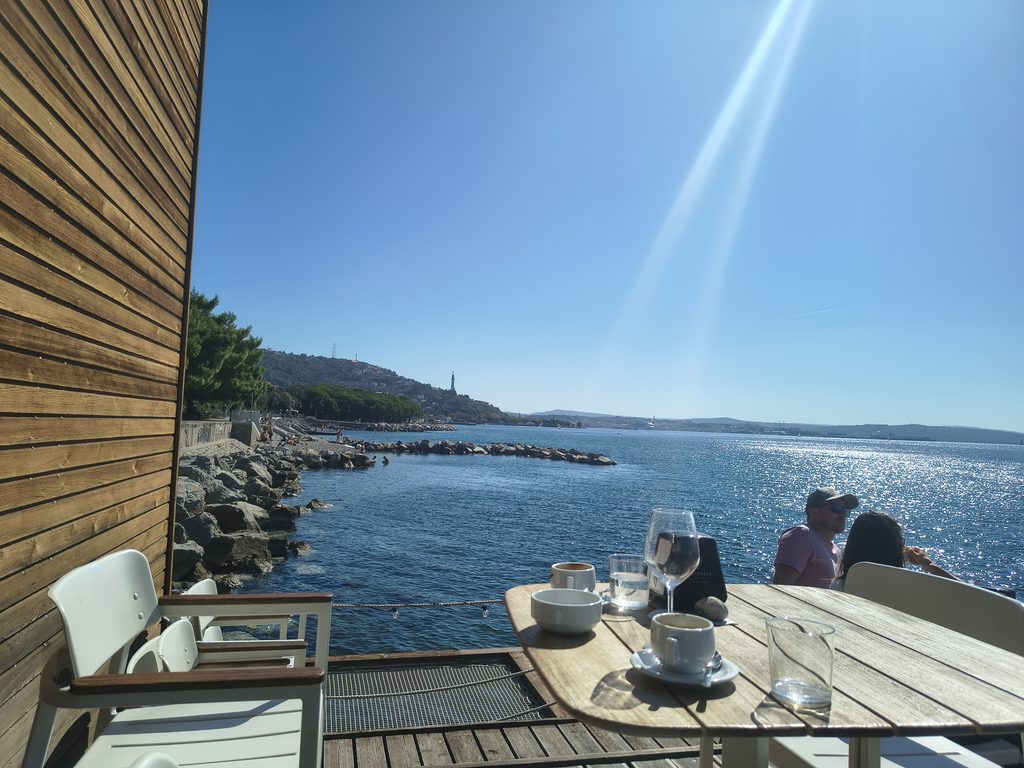
- Where to stay. Areas that suit you, and a shortlist of places that fit your taste and budget.
- Breathing room. Empty afternoons are part of the design. That’s often when Italy happens.
What you receive
- A day-by-day itinerary, written for you
- Recommended areas and a shortlist of places to stay, with links to book directly
- Restaurants, cafés, markets and aperitivo spots, with a note on why each one
- Local experiences and, where you’d like one, a private guide
- Practical logistics: transport, timings, what to book and when
- A planning call before you go (and support during your trip should things go awry)