You may not have heard of Friuli Venezia Giulia yet. Don’t worry, most people haven’t, which is part of its charm. This corner of north-east Italy borders Austria and Slovenia, and it feels like it: Mediterranean and Central European at once, with the sea, the Karst plateau and the mountains all within reach.
Why Trieste?
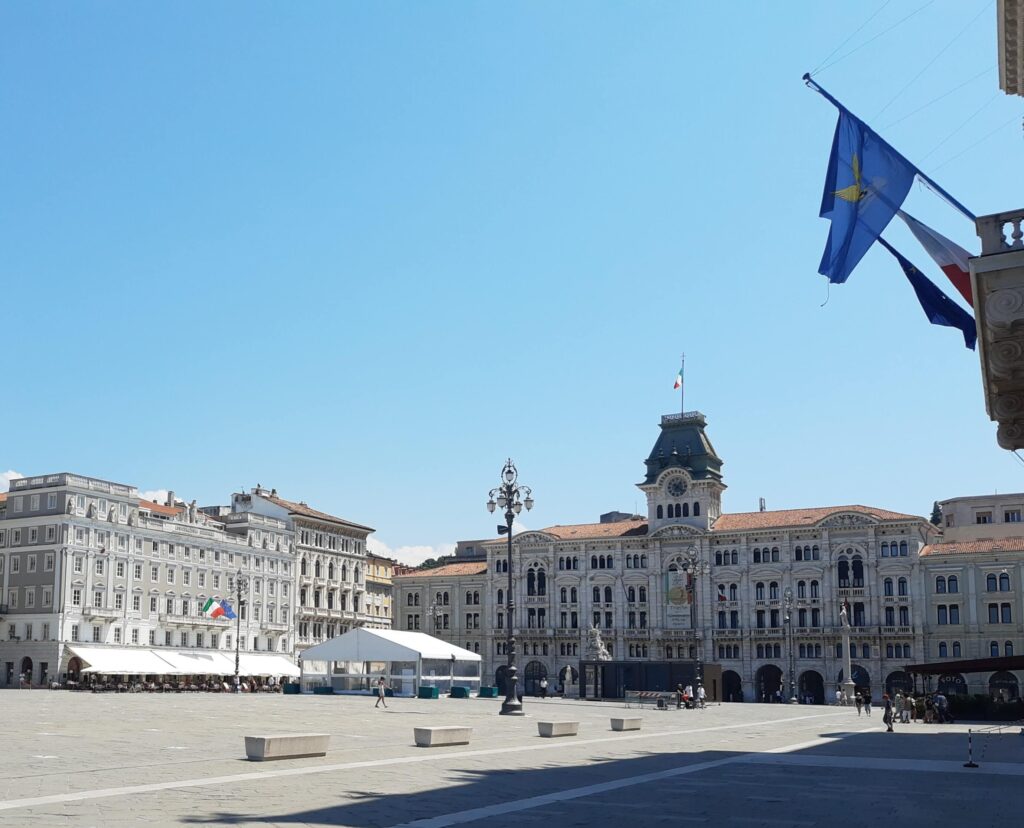
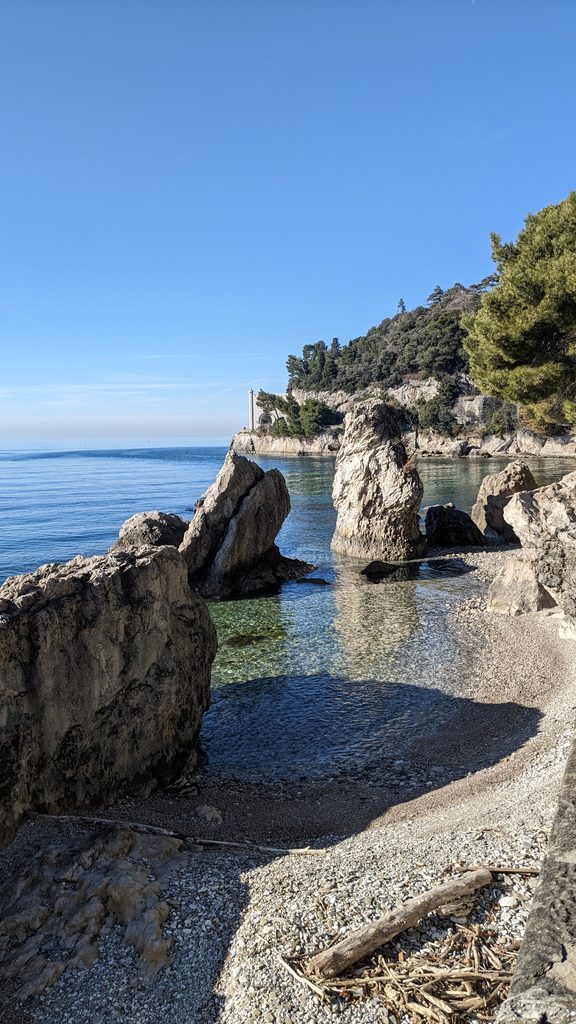
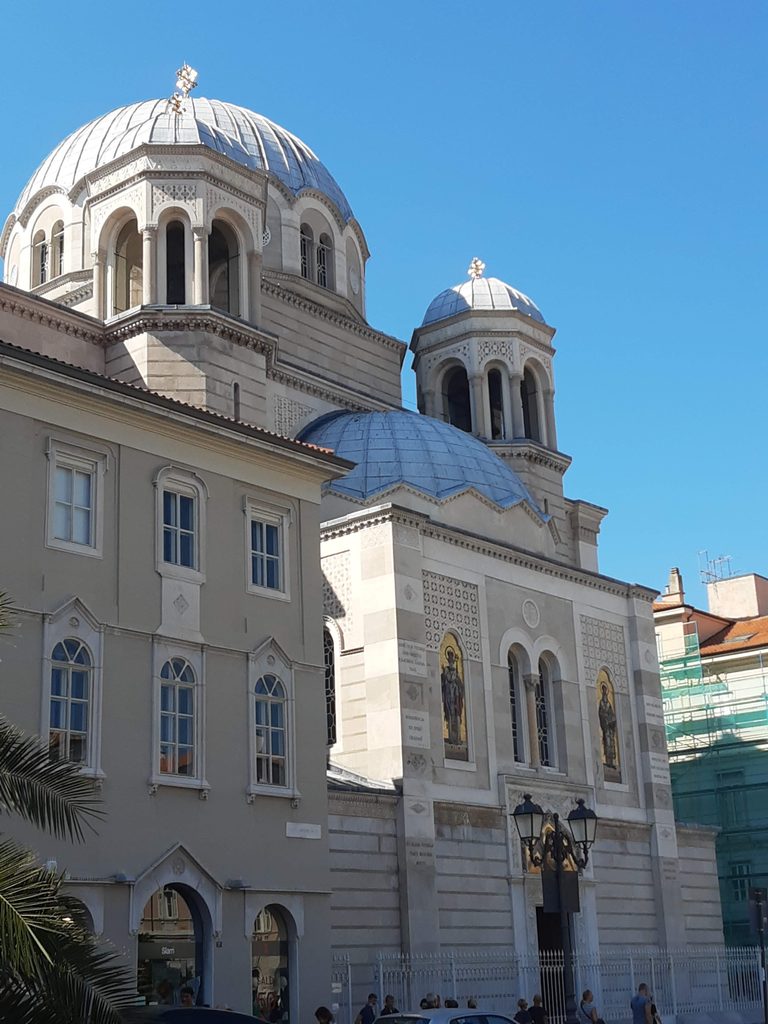
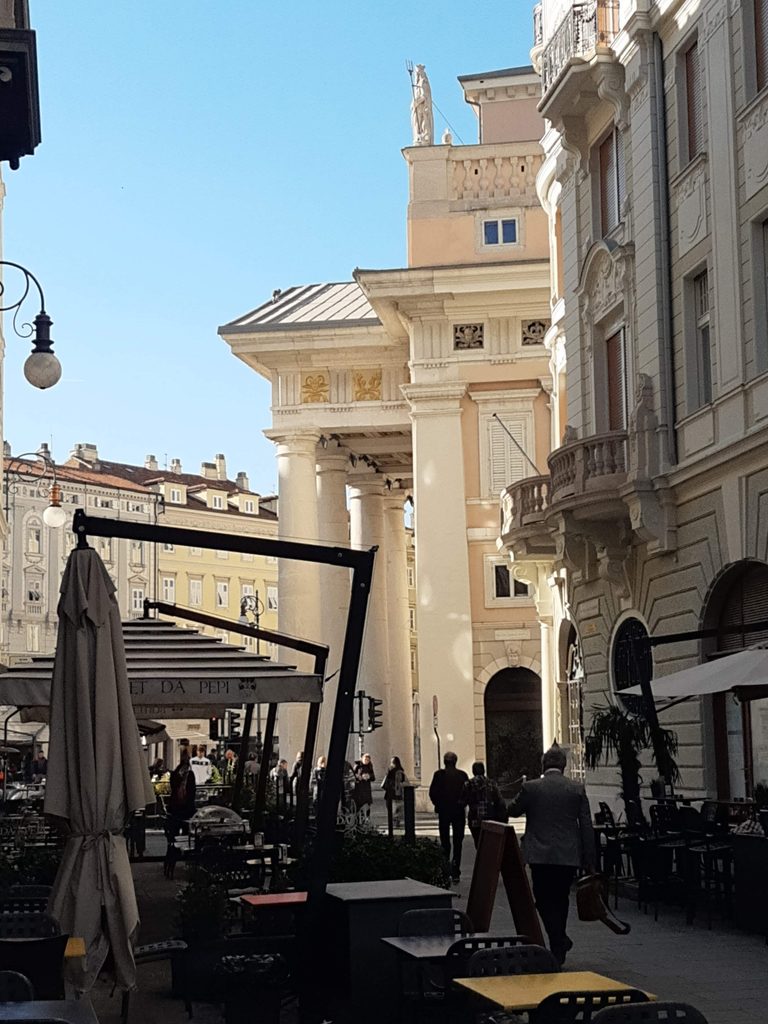
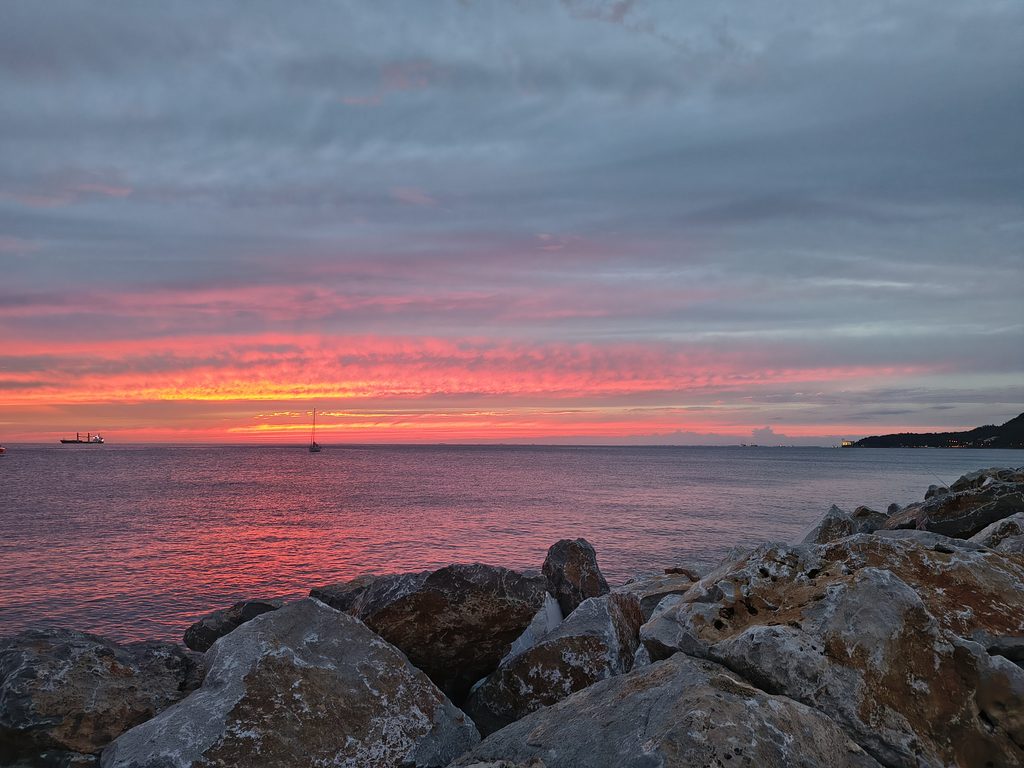
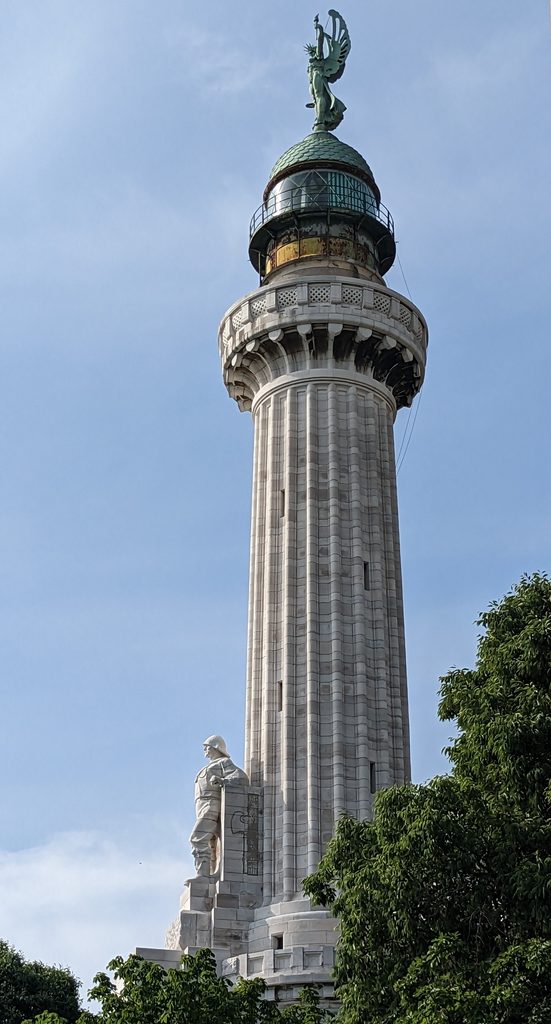
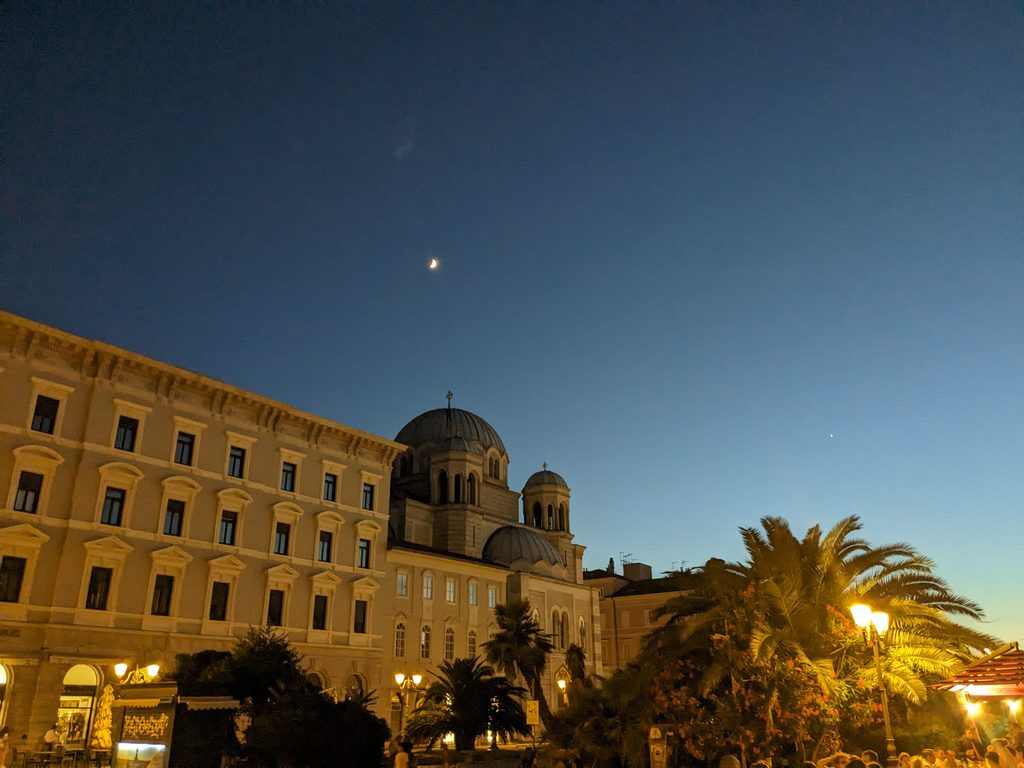
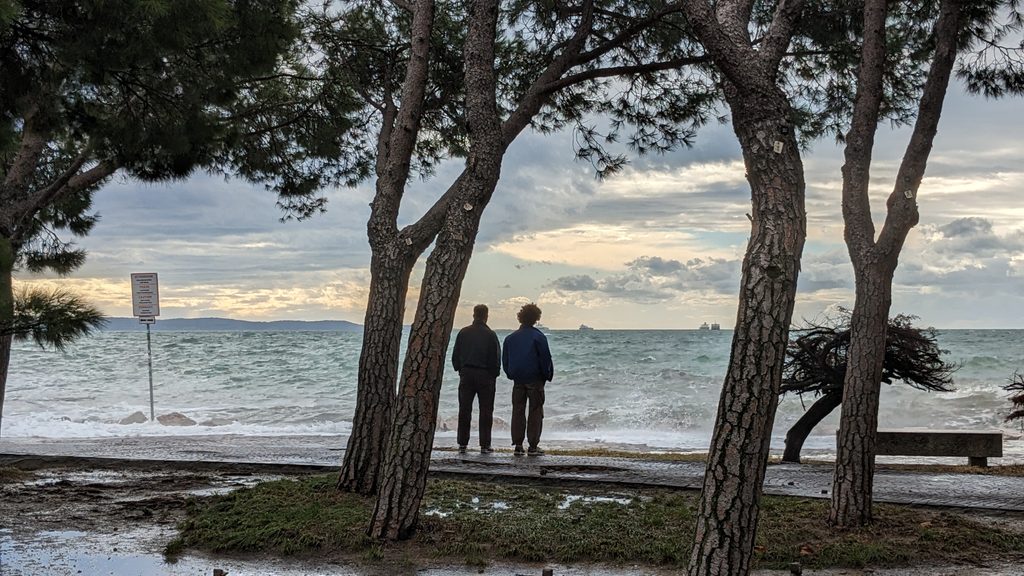
I love Trieste. I chose it, out of every place in Italy, when I came home after many years abroad. Why? Let me count the ways.
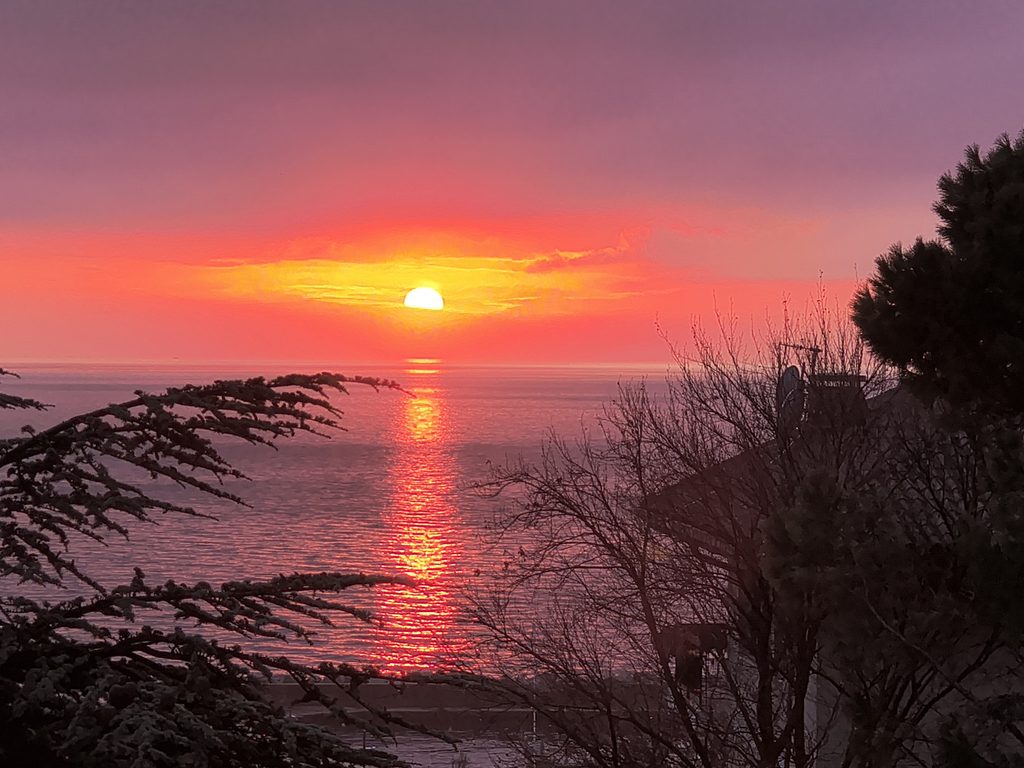
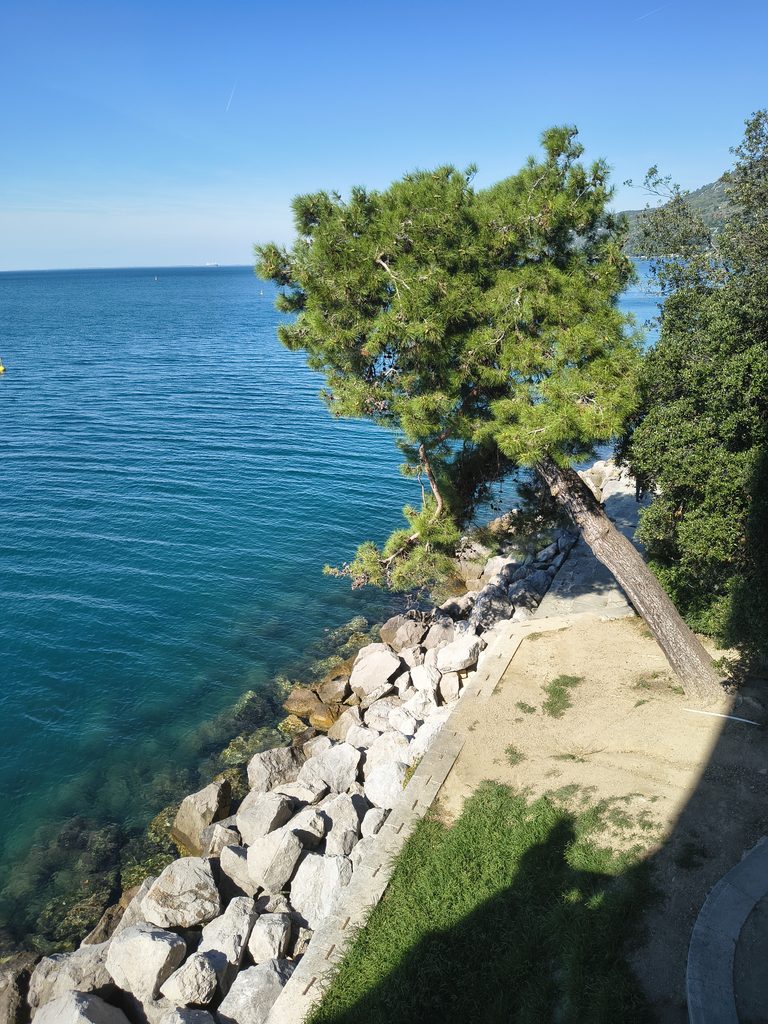
It is beautiful. The gulf opens around you, the sky is enormous, and then there are the SUNSETS. Sunset-watching is a thing here: people actually stop what they’re doing and sit in awe for a few minutes. Turn back towards the city and you get the elegant façades of the viennese style quarter beside the alleys of the Old Town, where Roman ruins peek through. Above it all, the city clings to hills so steep that streets suddenly open onto the sea below.
It contains multitudes. Trieste was tied to the Habsburgs from 1382 to 1918, and became the main port of the Austrian Empire. Italian and Slovenian speakers have always shared it, held together by Triestino, the local dialect. When I first came here to study, shopkeepers spoke to me in dialect. I thought it was to keep outsiders out. Now I know it’s the opposite: it’s the umbrella that makes everyone Triestino.
The people. Contrarian, mildly anarchic, reserved and chatty at once, deadly serious about frivolities and nonchalant about life’s big ordeals. Bone-dry humour, elegant detachment and a real love of the good life. They resemble no other Italians, which may be why so many people from elsewhere have felt at home here.
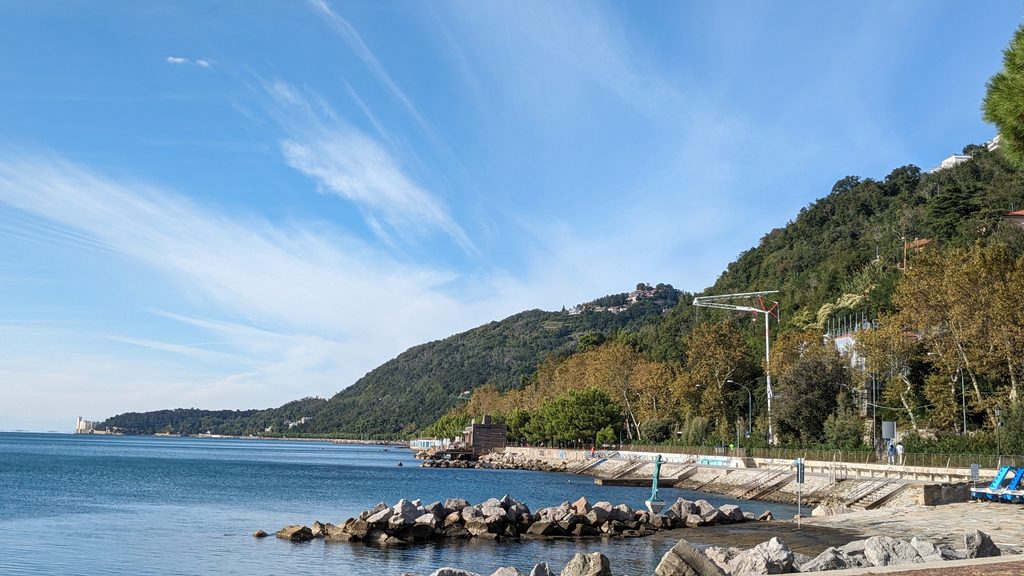
Suspended in time, and ahead of it. There’s a beach where men and women are still separated by a wall (and the locals will thank you not to suggest changing it). There’s the Barcola seafront, where EVERYONE unfolds a sunlounger on the promenade from spring to autumn, often in their lunch break. And then you discover that this laid back city is a serious centre of scientific research: a population of around 200,000 accommodates over 30 national and international research centers, two universities, and a prominent science and technology park. It holds the highest density of researches in Europe, boasting between 35 and 37 per 1,000 inhabitants. This exceptional concentration is more than ten times the average of the G7 nations.
It belongs in a book. Svevo, Joyce and Saba all lived here.
Why Friuli Venezia Giulia?
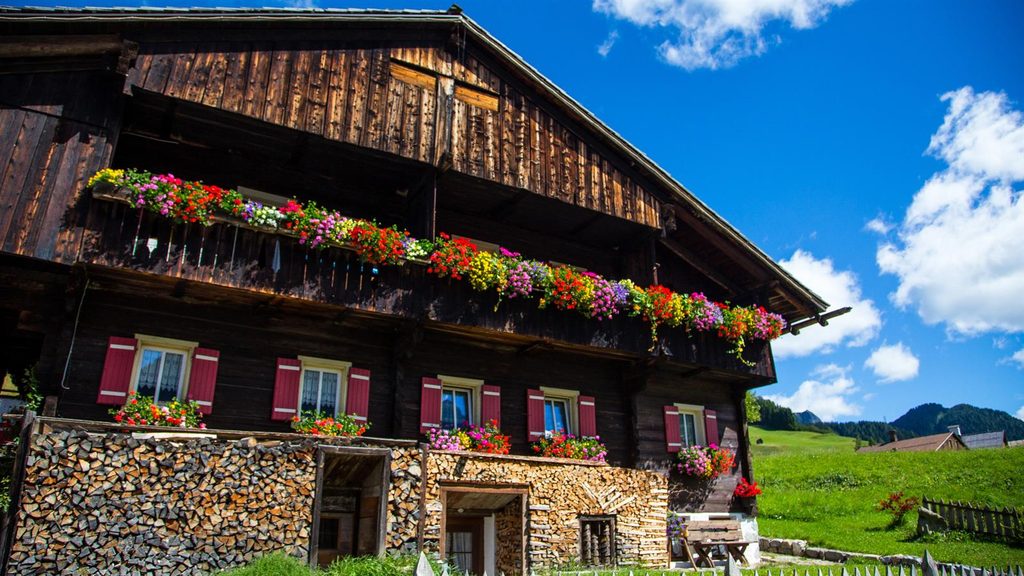
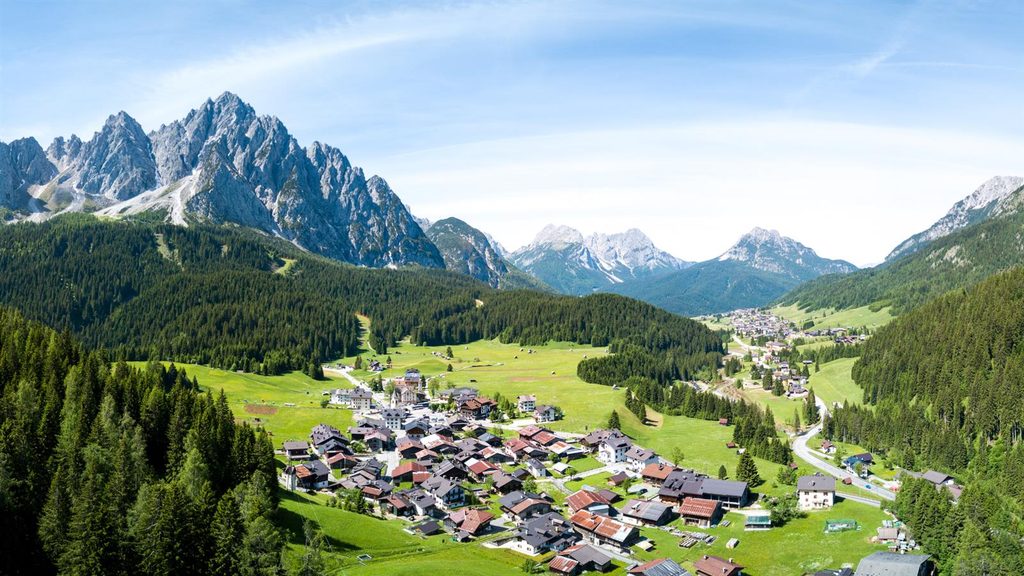
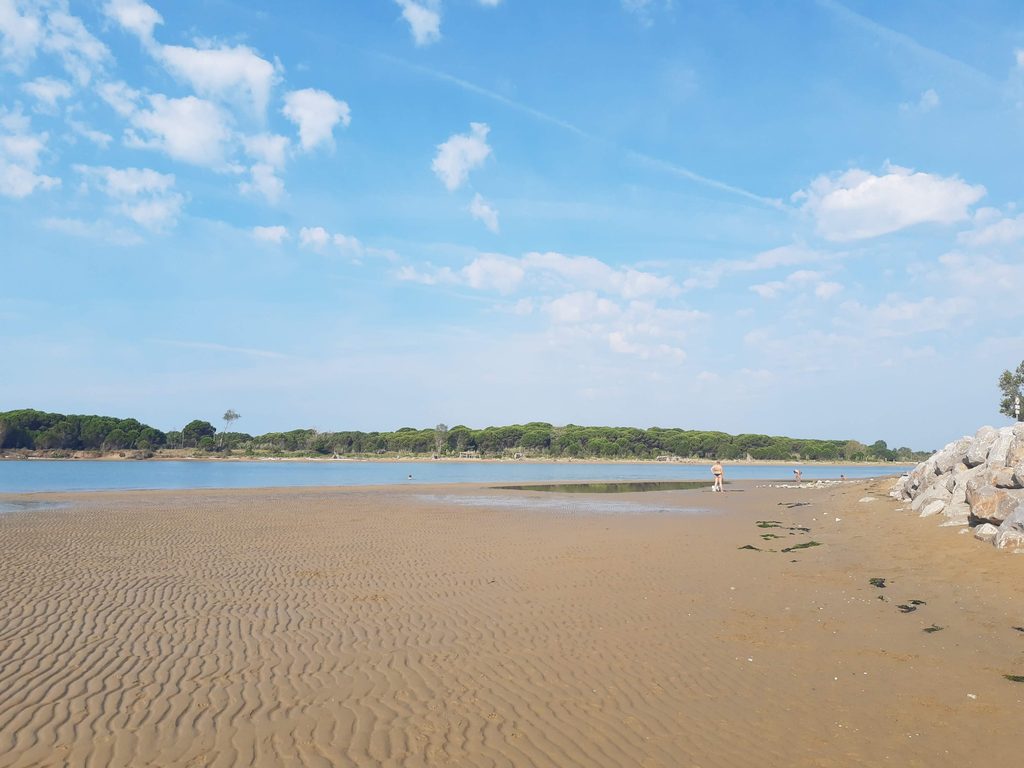
One of Italy’s smallest regions holds a miniature version of the whole country: the landscape in remarkably varied, so that you can hike in the Dolomites and swim in the Adriatic before an aperitivo by the sea all in the same day! It’s not just natural beauty, with five UNESCO World Heritage sites:
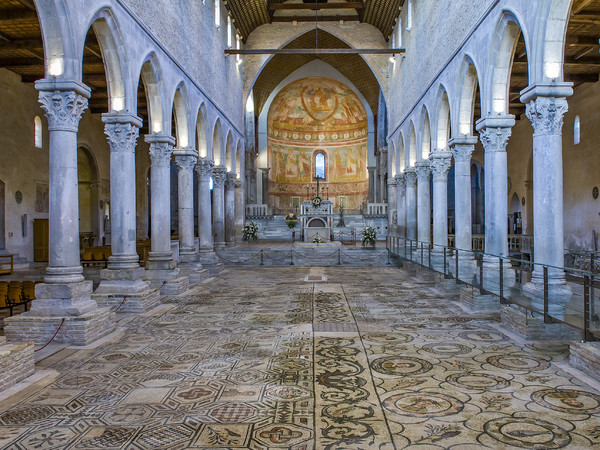
- Aquileia (1998): Roman archaeological area and Patriarchal Basilica
- Dolomiti Friulane (2009): the Friulian Dolomites
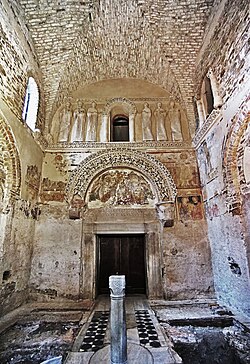
- Cividale del Friuli (2011): Lombard heritage
- Palù di Livenza (2011): prehistoric pile dwellings
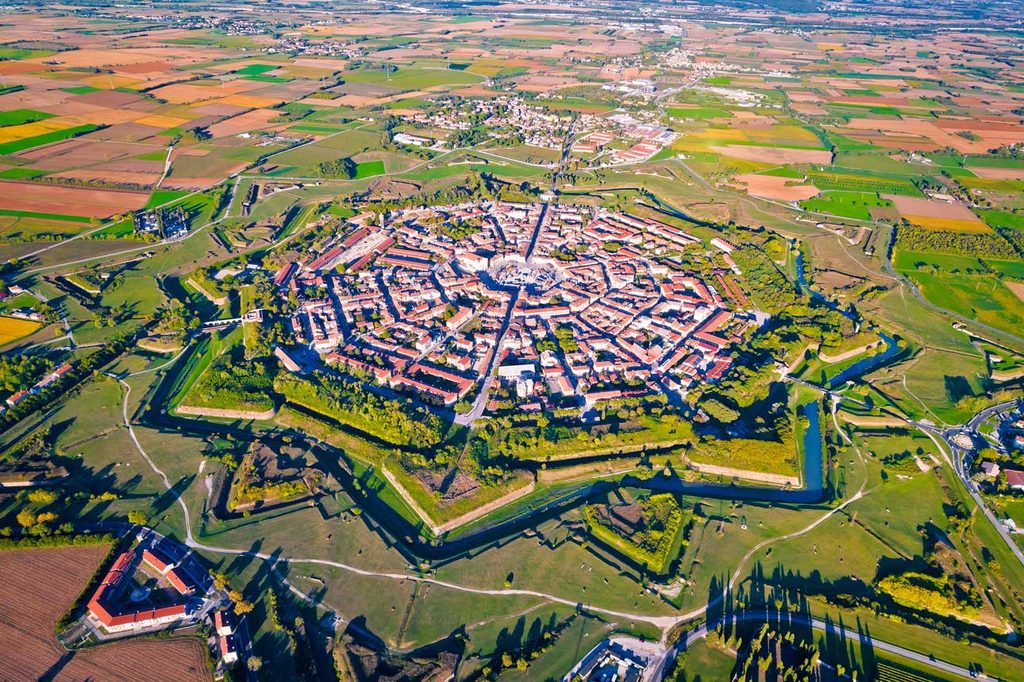
- Palmanova (2017): Venetian fortress city
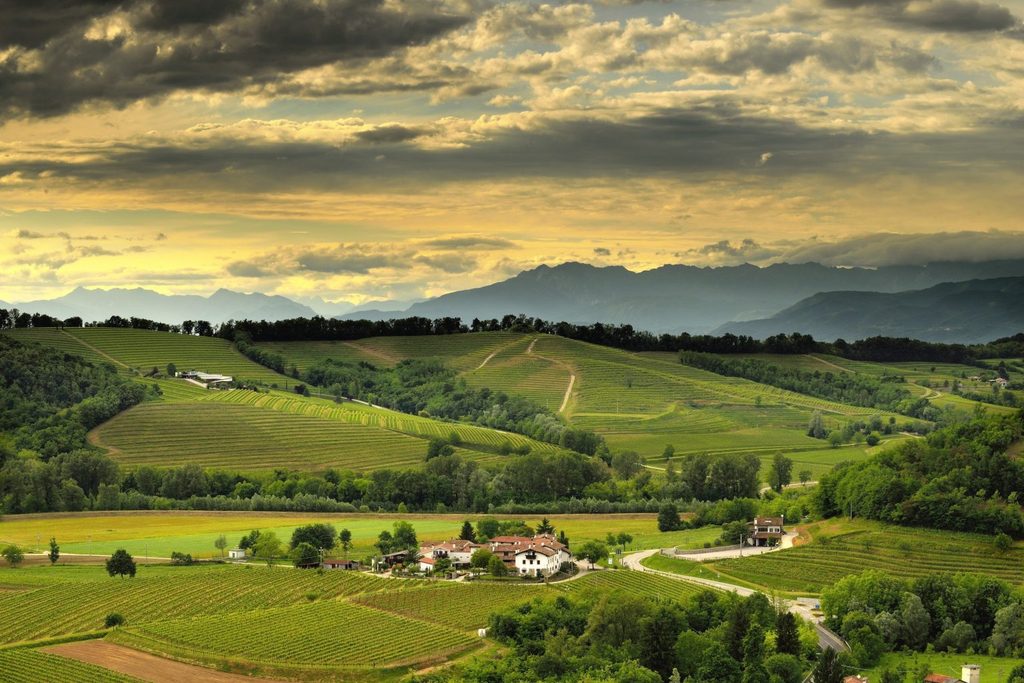
Add to that the Marano lagoon, medieval villages, and the Collio hills to the east, home to some of Italy’s finest white wines ( a perfect match for the mouthwatering regional cuisine, spanning from hearty mountain fare to sophisticated seafood dishes).